
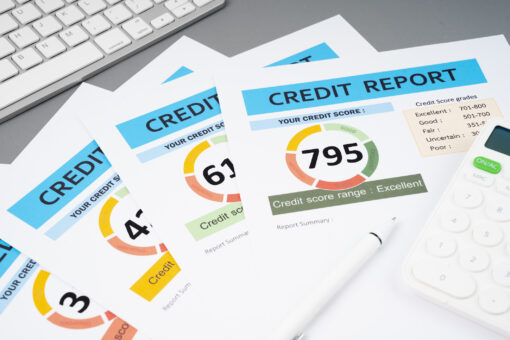
For many people in Chino CA who are considering bankruptcy, one of the most pressing concerns is the long-term impact on their credit. The question comes up in nearly every initial consultation: how long will this follow me? It is a fair and important question, and the honest answer is that while bankruptcy does leave a mark on your credit report, its impact diminishes over time — and for most filers, the damage that was already done by missed payments and mounting debt is far more harmful than the bankruptcy itself.
Chapter 7: Ten Years from the Filing Date
A Chapter 7 bankruptcy remains on your credit report for ten years from the date you filed your petition. This is the longest reporting period of any bankruptcy chapter, which reflects the fact that Chapter 7 discharges debt without requiring repayment.
Ten years sounds like a long time, but it is important to understand how credit reporting actually works in practice. The negative impact of a Chapter 7 filing is most significant in the first two to three years after discharge. As that period passes and you demonstrate responsible financial behavior, lenders increasingly look at your more recent track record rather than a bankruptcy that is several years old. Many filers are able to qualify for credit cards, car loans, and even mortgages within two to four years of their Chapter 7 discharge.
Chapter 13: Seven Years From the Filing Date
A Chapter 13 bankruptcy remains on your credit report for seven years from the filing date. Because Chapter 13 involves a structured repayment plan where filers pay back a portion of what they owe over three to five years, the law reflects this effort with a shorter reporting window.
For Chino CA residents who complete a Chapter 13 plan, the seven-year clock often means the bankruptcy falls off their report around the same time — or even before — they have fully rebuilt their financial profile. Combined with the positive payment history generated by making consistent plan payments over several years, Chapter 13 filers sometimes find their credit recovery is more gradual but steadier than Chapter 7 filers.
Individual Accounts Are Reported Separately
It is worth understanding that the bankruptcy filing itself and the individual accounts included in the bankruptcy are reported separately on your credit report. Each account that was discharged or included in the repayment plan will show its own notation. These individual account entries may fall off your report on their own timeline — typically seven years from the date each account first became delinquent — which may be sooner than the bankruptcy notation itself disappears.
Reviewing your credit report after bankruptcy and understanding what each entry shows is an important part of managing your post-bankruptcy credit profile.
What You Can Do to Minimize the Impact
The good news is that you are not powerless during the reporting period. Several habits accelerate credit recovery and reduce the practical weight of the bankruptcy notation over time. Making all payments on time after your discharge is the single most impactful thing you can do. Opening a secured credit card and using it responsibly adds positive history to your report. Keeping credit utilization low and avoiding unnecessary new credit applications in the early months after discharge all contribute to a faster recovery.
Credit bureaus are required to report accurate information — no more and no less. If the bankruptcy notation or any related account is reported inaccurately, you have the right to dispute it and have it corrected.
The Bigger Picture
For most Chino CA residents considering bankruptcy, the credit report concern — while understandable — should not be the deciding factor. The ongoing damage of unresolved debt, missed payments, collections, and judgments often does more long-term harm than a bankruptcy discharge followed by responsible financial behavior.
At Law Offices of Terrence Fantauzzi, we help clients understand the full picture before making any decisions. Call (909) 552-1238 today for a free consultation and find out whether bankruptcy makes sense for your situation.
