
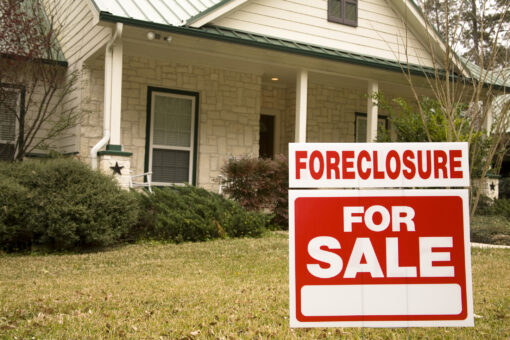
 Losing a home or vehicle is hard enough. Finding out afterward that you still owe the lender money can make it feel like there is no way forward. This leftover amount is called a deficiency balance, and it can lead to collection calls, lawsuits and wage garnishment long after the property is gone. Bankruptcy can often eliminate or greatly reduce these debts. At Law Offices of Terrence Fantauzzi, we help Eastvale residents deal with deficiency balances and move on with their lives.
What Is a Deficiency Balance?
A deficiency balance is the difference between what you owed on a loan and what the lender received when it sold the property. For example, if you owed $25,000 on a car loan and the lender sold the repossessed vehicle at auction for $12,000, you could still owe the remaining $13,000, plus certain fees and costs. The same idea can apply to some home loans after a foreclosure or short sale.
Can Bankruptcy Eliminate a Deficiency Balance?
In most cases, yes. Once the property has been sold, the lender no longer has collateral to take back. The remaining balance becomes an unsecured debt, much like a credit card bill or medical debt. In Chapter 7 bankruptcy, unsecured deficiency balances can usually be discharged completely. In Chapter 13, they are paid only a portion of what is owed through your repayment plan, and the remaining qualifying balance is discharged when the plan is completed.
Deficiency Balances After a Car Repossession
Vehicle repossessions are one of the most common sources of deficiency debt. Repossessed cars are often sold at auction for far less than their value, and lenders may add towing, storage and sale costs to the balance.
How Lenders Collect
After the sale, the lender or a collection agency will typically demand payment of the deficiency. If you do not pay, the lender may sue you. A court judgment can allow the creditor to garnish your wages or levy your bank account.
How Bankruptcy Stops Collection
Filing for bankruptcy triggers the automatic stay. This court order requires the lender and any collection agency to stop all collection efforts, including lawsuits and wage garnishments. If the deficiency is discharged, the creditor can never collect it from you again.
Deficiency Balances After a Home Foreclosure
California has some of the strongest protections against mortgage deficiency balances in the country. Even so, homeowners are not always fully protected, and the details matter.
When California Law Protects You
In many cases, California’s anti-deficiency laws prevent lenders from pursuing a homeowner after a foreclosure. These protections often apply when a lender forecloses through a trustee’s sale outside of court, and when a loan was used to buy an owner-occupied home. California law also offers protection after many approved short sales.
When You May Still Owe Money
These protections do not cover every situation. Some second mortgages, home equity lines of credit and certain refinanced loans may still leave a homeowner exposed to a deficiency claim. A lender that forecloses through a court lawsuit may also be able to seek a deficiency judgment in some cases. If you have received a demand letter or a lawsuit after losing your home, it is important to have your loan documents reviewed. Our foreclosure attorney services can help you understand where you stand.
Choosing the Right Type of Bankruptcy
Both Chapter 7 and Chapter 13 can address deficiency debt, but they serve different needs.
Chapter 7 for a Fast Fresh Start
Chapter 7 bankruptcy can discharge deficiency balances along with other unsecured debts in a matter of months. Most filers keep most or all of their property. You must qualify under the means test, which looks at your income and expenses.
Chapter 13 When You Have Other Goals
Chapter 13 may make sense if your income is too high for Chapter 7 or if you want to protect other property. For example, if you lost one vehicle to repossession but are behind on a second car or your current home, Chapter 13 can address all of these debts in a single plan.
What About Taxes on Forgiven Debt?
When a lender forgives a deficiency balance outside of bankruptcy, the forgiven amount can sometimes be treated as taxable income. Debt that is discharged in a bankruptcy case is generally not treated as taxable income. This can be another important reason to address a large deficiency through bankruptcy instead of negotiating a settlement on your own.
Steps to Take if You Owe a Deficiency
If you are facing a deficiency balance, a few steps can help protect you:
- Keep all letters and notices from the lender and any collection agency
- Do not ignore a lawsuit or court papers
- Gather your original loan documents and any sale or auction notices
- Avoid agreeing to a payment plan before speaking with an attorney
Taking these steps early gives you the most options and can keep a manageable problem from turning into a court judgment.
Get Relief From Deficiency Debt in Eastvale
You should not have to keep paying for property you no longer have. Bankruptcy can stop collection efforts, prevent wage garnishment and wipe out deficiency balances so you can rebuild with confidence. Contact Law Offices of Terrence Fantauzzi at (909) 552-1238 to review your situation and learn which bankruptcy option is right for you.
