
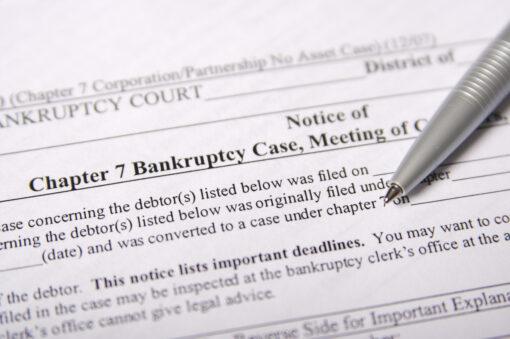
Chapter 7 bankruptcy is a form of debt relief designed to help individuals and families eliminate overwhelming unsecured debt and get a fresh financial start. Often referred to as “liquidation bankruptcy,” Chapter 7 allows eligible filers to discharge many common debts, including credit cards and medical bills, in a relatively short period of time. For people facing constant collection calls, wage garnishments, or lawsuits, Chapter 7 can provide immediate relief and a clear path forward.
When a Chapter 7 case is filed, the court appoints a trustee to review the filer’s assets and financial situation. Many cases are considered “no-asset” cases, meaning the filer is able to keep all exempt property and no assets are sold.
Who Qualifies for Chapter 7 Bankruptcy?
Eligibility for Chapter 7 is determined primarily through the bankruptcy means test. This test compares your household income to the median income for households of similar size in your state. If your income falls below the median, you generally qualify. If your income is above the median, additional calculations are used to determine whether you have enough disposable income to repay creditors.
Other factors may affect eligibility, including prior bankruptcy filings, the type of debts you owe, and whether required credit counseling has been completed. An attorney can review your full financial picture to determine whether Chapter 7 is appropriate or if another option may be better.
What Debts Can Be Discharged in Chapter 7?
Chapter 7 bankruptcy can eliminate many unsecured debts, including:
- Credit card balances
- Medical and hospital bills
- Personal loans
- Payday loans
- Utility arrears
- Certain older tax debts
However, not all debts can be discharged. Obligations such as child support, alimony, most student loans, and certain recent tax debts typically remain after bankruptcy. Understanding which debts qualify for discharge is critical when deciding whether to file.
Will I Lose My Property If I File Chapter 7?
One of the biggest concerns people have about Chapter 7 bankruptcy is whether they will lose their home, vehicle, or personal belongings. Bankruptcy law allows filers to claim exemptions, which protect certain types of property up to specific values. Commonly protected assets include household goods, clothing, tools of the trade, retirement accounts, and some equity in a home or vehicle.
In many Chapter 7 cases, filers are able to keep all of their property. If non-exempt assets exist, the trustee may sell those assets to pay creditors. An attorney can help you understand what property is protected and how exemptions apply to your situation.
How Long Does a Chapter 7 Case Take?
Chapter 7 bankruptcy is typically the fastest form of bankruptcy relief. Most cases are completed within three to six months from the date of filing. Shortly after filing, you will attend a required meeting of creditors, also known as the 341 meeting, where the trustee asks basic questions about your financial information.
If there are no objections or complications, the court will issue a discharge order eliminating eligible debts.
What Are the Benefits of Filing Chapter 7?
Chapter 7 offers several key advantages:
- Immediate relief through the automatic stay, which stops most collection actions
- Elimination of unsecured debt
- A relatively quick process
- The opportunity to rebuild credit and financial stability
For many people, Chapter 7 provides a clean slate when debt has become unmanageable.
How Can an Attorney Help with Chapter 7 Bankruptcy?
Filing bankruptcy involves strict rules, detailed paperwork, and important deadlines. Working with an experienced attorney can help ensure that your case is filed correctly and that your rights are protected throughout the process. Legal guidance can help you determine eligibility, claim appropriate exemptions, and avoid costly mistakes.
If you are considering Chapter 7 bankruptcy, contact Law Offices of Terrence Fantauzzi at (909) 552-1238 to discuss your options and take the first step toward financial relief.
