
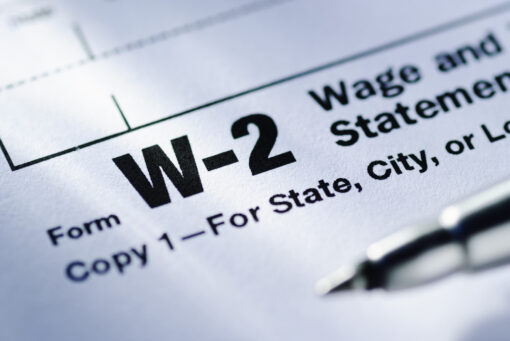
Tax season brings questions for anyone carrying significant debt, and those questions get more complicated when bankruptcy is on the table. If you are considering filing for bankruptcy in Ontario CA, it is important to understand how the process interacts with your tax refund. The timing of your filing and the chapter you choose can both play a role in what happens to that money. Law Offices of Terrence Fantauzzi helps clients in the Ontario area think through these details before taking any steps.
Your Tax Refund May Be Considered an Asset
When you file for bankruptcy, you are required to disclose all of your assets to the court. Depending on when you file, an expected tax refund may be counted among those assets. If you have already filed your taxes and are waiting on a refund, that money is considered an asset of the bankruptcy estate. Even if you have not yet filed your taxes, a refund you are entitled to for the prior year may still be treated as an asset based on income earned before your bankruptcy filing.
This matters because the bankruptcy trustee — the court-appointed official who oversees your case — may have the authority to claim some or all of that refund to pay toward your debts.
How Chapter 7 Handles Tax Refunds
In a Chapter 7 bankruptcy, the trustee can potentially seize a tax refund that is considered part of the bankruptcy estate. If your refund is large, this can be a meaningful financial consideration. California does offer certain exemptions that may protect a portion of your assets, including in some cases funds that overlap with a tax refund. Your attorney can help you determine how much, if any, of your refund may be protected under state exemptions.
Timing can also work in your favor. If you have already received and spent your refund on reasonable living expenses before filing, it may no longer be an available asset. Your attorney can advise you on the implications of your specific timeline.
How Chapter 13 Handles Tax Refunds
Chapter 13 is a bit more complex when it comes to tax refunds. During your repayment plan, which typically lasts three to five years, you may be required to turn over some or all of your annual tax refunds to the trustee for distribution to creditors. Many Chapter 13 plans include provisions addressing how refunds will be handled each year. In some cases, you may be able to negotiate keeping a portion of the refund if you can show it is needed for essential living expenses.
Adjusting Your Withholding
One strategy some people consider before or during bankruptcy is adjusting their tax withholding so that they receive more take-home pay throughout the year rather than a large lump-sum refund at tax time. This can reduce the size of any refund that might otherwise be subject to the trustee’s reach. However, this type of planning should always be done with guidance from your bankruptcy attorney to make sure it fits within the rules of your case.
Speak With an Attorney Before You File
Tax refunds are just one of the many details that can affect how a bankruptcy case plays out. If you are in Ontario CA and considering your options, Law Offices of Terrence Fantauzzi is here to help you understand the full picture before you file. Call (909) 552-1238 to speak with a bankruptcy attorney today.
