
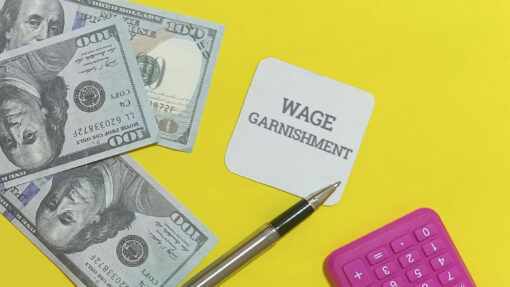
Wage garnishments and bank levies are some of the most stressful consequences of overwhelming debt. When creditors start taking money directly from your paycheck or freezing your bank account, it can become nearly impossible to cover basic living expenses. For many people, bankruptcy offers a way to stop these actions quickly and regain financial stability.
Understanding how bankruptcy affects garnishments and levies can help you act before more damage is done.
How Wage Garnishments and Bank Levies Work
A wage garnishment allows a creditor to collect money directly from your employer after obtaining a court judgment. Each pay period, a portion of your wages is withheld and sent to the creditor.
A bank levy, on the other hand, freezes funds in your bank account and allows the creditor to seize money on deposit. Unlike garnishments, which occur over time, a levy can drain an account in a single action.
Both methods can create immediate financial hardship.
What Happens When You File for Bankruptcy
Once a bankruptcy petition is filed, the automatic stay goes into effect immediately. This federal court order requires most creditors to stop collection efforts, including garnishments and levies.
In most cases, bankruptcy will:
- Stop ongoing wage garnishments
- Prevent future garnishment orders
- Halt new bank levies
- Stop creditors from freezing accounts
If a garnishment or levy is already in progress, it must cease once the creditor receives notice of the bankruptcy filing.
Timing Is Critical
While bankruptcy can stop future garnishments and levies, it cannot always recover money already taken. Funds withheld before the filing date are typically not returned.
For bank levies, timing is especially important. If the levy has already been processed and funds transferred, recovery may be difficult. Filing quickly can prevent additional losses and protect remaining funds.
Are There Any Exceptions?
Not all garnishments are treated the same under bankruptcy law. Certain obligations, such as child support and some tax debts, may continue despite a bankruptcy filing.
However, most consumer debt garnishments—such as those tied to credit cards, personal loans, or medical bills—are stopped by the automatic stay.
An attorney can review your situation to determine which garnishments are protected and which may continue.
What About Employer Notification?
When a bankruptcy is filed, creditors are notified electronically. In many cases, employers are also notified so that wage withholding can stop promptly.
If a garnishment continues after proper notice, the creditor may be violating bankruptcy law and could face penalties.
Why Legal Guidance Matters
Stopping garnishments and levies requires accurate filing and proper notice. Errors in paperwork or delays in filing can leave you exposed to continued collection actions.
At Law Offices of Terrence Fantauzzi, stopping wage garnishments and protecting bank accounts is often one of the first goals in a bankruptcy case. If your wages or bank funds are at risk, contact Law Offices of Terrence Fantauzzi at (909) 552-1238 to learn how bankruptcy may provide immediate protection.
