
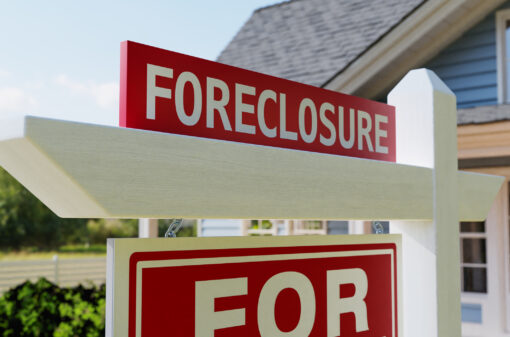
Foreclosure is the legal process a lender uses to recover property when a homeowner falls behind on mortgage payments. After a period of missed payments, the lender may issue notices of default and eventually schedule a foreclosure sale. Once the sale occurs, the homeowner can lose legal ownership of the property and may be required to vacate the home.
Foreclosure timelines vary, but once the process begins, delays are limited. This is why early action is critical for homeowners who want to explore options for saving their home.
Can Bankruptcy Stop a Foreclosure?
Yes. Filing for bankruptcy triggers an automatic stay, which is a court order that immediately halts most collection activity. This includes foreclosure proceedings, foreclosure sales, and related legal actions. The automatic stay takes effect as soon as the bankruptcy case is filed, even if a foreclosure sale is already scheduled.
While the automatic stay does not permanently eliminate foreclosure on its own, it creates time and leverage for homeowners to pursue solutions that may allow them to keep their property.
Which Type of Bankruptcy Is Best for Stopping Foreclosure?
The most effective option for stopping foreclosure is usually Chapter 13 bankruptcy. Chapter 13 allows homeowners to create a repayment plan that spreads missed mortgage payments over three to five years while maintaining current payments going forward. This structure can make catching up financially possible without losing the home.
Chapter 7 bankruptcy may temporarily stop foreclosure, but it does not provide a mechanism to cure missed payments. In many cases, Chapter 7 is better suited for homeowners who plan to surrender the property or who are current on their mortgage but overwhelmed by other debts.
What Happens to Missed Mortgage Payments in Chapter 13?
In Chapter 13, missed mortgage payments are rolled into the repayment plan. Instead of demanding immediate payment of arrears, the lender receives structured payments over the life of the plan. This allows homeowners to stabilize their finances while remaining in the home.
During the bankruptcy, homeowners must continue making regular monthly mortgage payments in addition to plan payments. Falling behind again can jeopardize the protection bankruptcy provides.
Can Bankruptcy Stop a Foreclosure Sale at the Last Minute?
In many cases, yes. Bankruptcy can stop a foreclosure sale even if it is scheduled within days or hours, as long as the filing occurs before the sale takes place. However, last-minute filings leave little room for error and may increase the risk of complications.
Waiting until the final stages of foreclosure can limit available options, especially if prior bankruptcies have been filed or if the lender seeks court permission to proceed with the sale.
Will Bankruptcy Eliminate My Mortgage Debt?
Bankruptcy does not eliminate a mortgage lien on your home. While it can discharge personal liability for the debt, the lender still retains the right to foreclose if payments are not made. Chapter 13 focuses on curing defaults and keeping the mortgage intact rather than erasing it entirely.
Understanding this distinction is important when deciding whether bankruptcy aligns with your long-term housing goals.
Are There Other Benefits of Bankruptcy for Homeowners?
Beyond stopping foreclosure, bankruptcy can help homeowners:
- Eliminate or reduce unsecured debts
- Stop wage garnishments and collection lawsuits
- Consolidate debt into manageable payments
- Gain time to pursue loan modification or refinancing
By reducing overall financial pressure, bankruptcy can make it easier to afford housing costs going forward.
How Can an Attorney Help With Foreclosure and Bankruptcy?
Foreclosure cases move quickly and involve strict legal deadlines. An experienced bankruptcy attorney can evaluate whether Chapter 13 or Chapter 7 is appropriate, determine how much time bankruptcy may provide, and guide you through the filing process to ensure protections are in place.
If you are facing foreclosure or concerned about falling behind on your mortgage, contact Law Offices of Terrence Fantauzzi at (909) 552-1238 to discuss your options and take steps toward protecting your home.
