
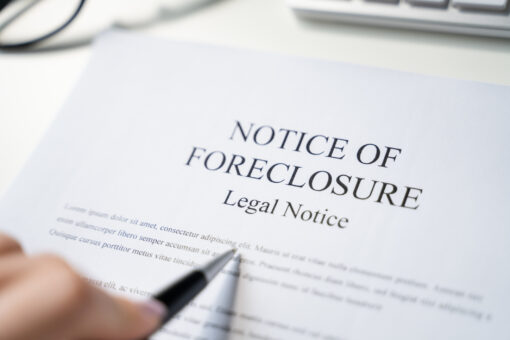
If you receive a notice of default on your Bloomington home, act quickly. A notice of default is the formal start of the foreclosure process in California, and it usually gives you at least three months before a sale can be scheduled. During that time you can bring the loan current, negotiate with your lender, or file for bankruptcy to stop the foreclosure. At Law Offices of Terrence Fantauzzi, we help Bloomington homeowners understand their options and take action before it is too late.
What Is a Notice of Default?
A notice of default is a document your lender records with the San Bernardino County Recorder’s Office when you fall behind on your mortgage. It states how much you owe in missed payments, fees, and costs, and it notifies you that the lender intends to foreclose if the default is not cured.
Most California foreclosures are nonjudicial, which means the lender does not have to go to court to sell your home. That makes the timeline move faster than many homeowners expect. You can read more in our FAQ on how foreclosure works.
How Long Do You Have After a Notice of Default?
The California foreclosure timeline generally follows these steps:
- Notice of default: Recorded after you miss payments, starting a waiting period of at least three months
- Notice of trustee’s sale: Recorded after the waiting period, setting a sale date at least 20 days out
- Trustee’s sale: Your home is sold at auction if the default is not resolved
You generally have the right to reinstate your loan by paying the full past-due amount up until five business days before the scheduled sale. For many families, though, coming up with that lump sum is not realistic, which is why other options matter.
Step 1: Do Not Ignore the Notice
The worst thing you can do is set the notice aside and hope the problem goes away. Read it carefully, confirm the amount owed, and note the dates. Keep copies of every letter from your lender and servicer.
Step 2: Contact Your Lender About Alternatives
Lenders may offer options such as:
- A loan modification that changes your payment terms
- A repayment plan that spreads out the missed payments
- Forbearance that temporarily reduces or pauses payments
California law limits a lender’s ability to move forward with a foreclosure sale while a complete loan modification application is under review, so submitting a full application promptly can help.
Step 3: Talk to a Foreclosure Attorney
An attorney can review your notice for errors, help you negotiate with your lender, and explain whether bankruptcy makes sense. Our foreclosure attorney in Bloomington can walk you through the process and help you choose the best path.
Step 4: Consider Chapter 13 Bankruptcy
If negotiations fail or the sale date is approaching, Chapter 13 bankruptcy can stop the foreclosure through the automatic stay. Your missed mortgage payments are then rolled into a repayment plan lasting three to five years, allowing you to catch up while keeping your home. Chapter 13 can also address other debts, such as car loans and tax debt, at the same time. Learn more on our Chapter 13 bankruptcy page for Bloomington.
Protect Your Bloomington Home Today
A notice of default is serious, but it is not the end of the road. The earlier you act, the more options you have to keep your home. If you have received a notice of default, call Law Offices of Terrence Fantauzzi at (909) 552-1238 to speak with an attorney about how to stop foreclosure and protect your Bloomington home.
